
For more than 25 years, the United States was considered a country where measles had been mostly eradicated. Although the virus had not disappeared completely, widespread vaccination had interrupted its continuous spread from person to person within our communities. New statistics emerging have recently changed the measles landscape in the United States. The Pan American Health Organization, the regional office of the World Health Organization for the Americas, has determined that measles transmission in the United States has continued uninterrupted for at least 12 months. As a result, the country has lost its measles elimination status, which it had held since 2000. This is a very sobering public health announcement, and it is understandable if it feels concerning. The good news is that measles remains highly preventable. The measles, mumps, and rubella vaccine, commonly called the MMR vaccine, remains one of the most effective tools we have to protect individuals, families, and entire communities.
Why Is This Happening?
Measles is one of the most contagious viruses known to affect humans. A person with measles can spread it to others before they even realize they are sick, and the virus can remain infectious in the air and on surfaces for up to two hours after an infected person has left the area. High vaccination coverage creates community protection, often referred to as “herd immunity”. When enough people are immune, measles has a harder time finding susceptible people and making its way through a community. Scientists generally estimate that about 95 percent of a community needs to be immune to help prevent widespread transmission (Whelan, 2026).
In recent years, vaccination gaps have grown in various communities across multiple states. When clusters of unvaccinated or under vaccinated people are connected through schools, childcare settings, places of worship, travel, or social networks, measles can spread alarmingly quickly. The current resurgence has been driven largely by infections among people who were not vaccinated. The statistics are revealing how serious the situation has become. More than 5,400 confirmed measles cases have been reported in 2026, which makes it the highest annual total since 1991 (CDC, 2026). Many cases have been connected to outbreaks across multiple states, and hospitalizations and deaths have occurred.
Why Getting Vaccinated Matters

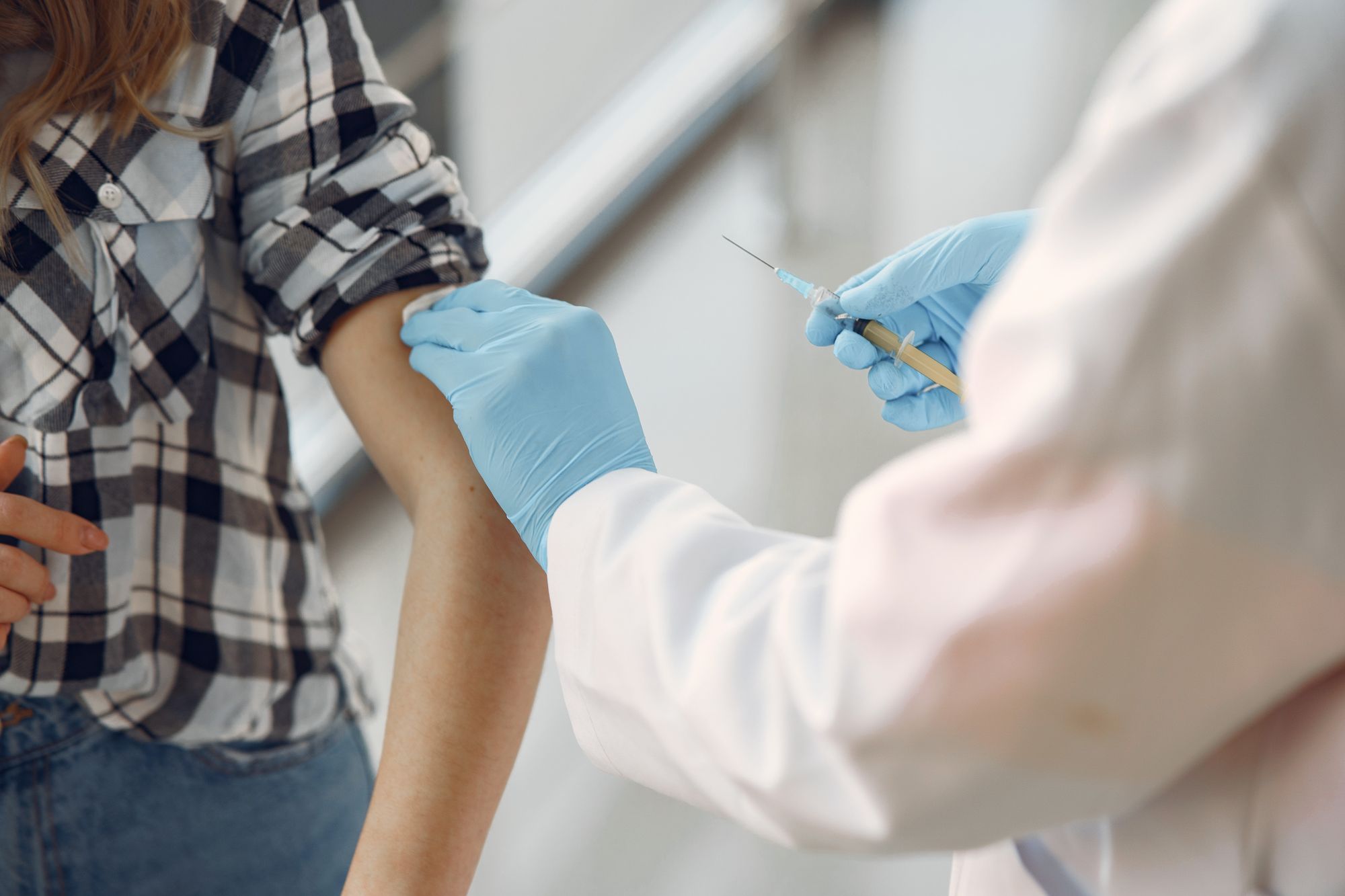
The MMR vaccine is safe, well studied, and highly effective. Two recommended doses prevent measles in about 97 percent of people who receive them. This protection is not only personal. When vaccinated people surround those who cannot yet be vaccinated, such as young infants, or those who cannot receive the vaccine for medical reasons, it helps reduce the chance that measles will reach them as well. Most children in the United States receive their first MMR dose at 12 through 15 months of age and a second dose at 4 through 6 years of age. Some adults may also need to be vaccinated, particularly if they are unsure of their vaccination history, were born after 1956, plan to travel internationally, or work in healthcare or schools.
If you are unsure whether you are protected, do not guess! Your clinician can review your vaccination records, discuss drawing titers when appropriate, and recommend the safest plan for you and your loved ones protection.
A Note For Travelers

Measles remains common in many parts of the world, and international travel can further introduce the virus into any local communities on your itinerary. Before a trip, review your vaccination status and make sure everyone you are traveling with is up to date on routine vaccines, including MMR. If you happen to be traveling with an infant who is too young for the routine first MMR dose, consult with your pediatrician and your travel health clinician whether an early dose is recommended based on your destination, age, and travel plans.
The Bottom Line
The most powerful step you can take is simple: make sure you and your family are fully vaccinated against the measles. With measles continuing to circulate in our communities, the recent loss of the United States’ measles elimination status is a reminder that now is a good time to make sure you and your family are protected. Check your vaccination records, schedule catch up vaccines if needed, and talk with a healthcare professional before international travel. Your nearest JmBee travel health clinic is here to help you prepare safely for the road ahead!
References
Centers for Disease Control and Prevention. (n.d.-a). Measles cases and outbreaks. Centers for Disease Control and Prevention. https://www.cdc.gov/measles/data-research/index.html
Red book online outbreaks: Measles | red book online | American Academy of Pediatrics. (n.d.-a). https://publications.aap.org/redbook/resources/15187/Red-Book-Online-Outbreaks-Measles
U.S. loses measles elimination status: What it means and why it matters. (n.d.). https://www.forbes.com/sites/judystone/2026/11/14/what-losing-measles-elimination-says-about-the-united-states/
Whelan, A. (2026, November 15). U.S. loses measles elimination status after more than 25 years. Inquirer.com. https://www.inquirer.com/health/measles-elimination-status-lost-pennsylvania-united-states-20261114.html