
Nicaragua is experiencing its largest chikungunya outbreak in a decade. If you are planning to travel to Nicaragua, here is what you need to know about the outbreak, the chikungunya vaccine, and how to protect yourself from mosquito bites.
Chikungunya Outbreak in Nicaragua: The Latest Numbers
According to Nicaragua’s Ministry of Health weekly epidemiological report, the country recorded 5,342 diagnosed chikungunya cases between mid-May and November 9, 2026. October was the peak month, with 1,460 cases, and 341 new cases were added in the most recent reporting week. This is the highest total since the 2015–2016 chikungunya epidemic (Outbreak News Today).
The U.S. Centers for Disease Control and Prevention (CDC) has issued a travel health notice for chikungunya in Nicaragua, with cases concentrated in and around Managua. The CDC advises travelers to take steps to prevent mosquito bites and to consider vaccination.
What Is Chikungunya?
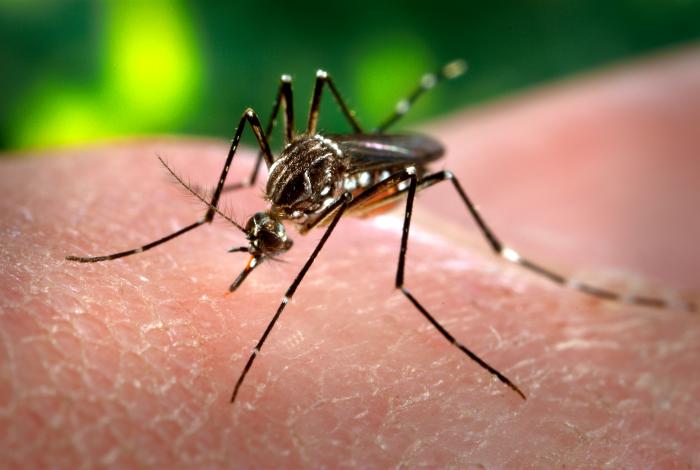
Chikungunya is a viral illness spread by the bite of infected Aedes aegypti and Aedes albopictus mosquitoes, the same mosquitoes that spread dengue and Zika. These mosquitoes bite mainly during the day. Common chikungunya symptoms include:
- Sudden high fever
- Severe joint pain, often in the hands and feet
- Headache and muscle pain
- Joint swelling and rash
Symptoms usually begin 3 to 7 days after a mosquito bite. There is no specific treatment for chikungunya, and joint pain can last for months in some people. Newborns, adults 65 and older, and people with chronic medical conditions are at higher risk of severe disease.
Chikungunya Vaccine for Travel to Nicaragua
The CDC recommends the chikungunya vaccine for people 12 years and older traveling to an area with a chikungunya outbreak. VIMKUNYA is the chikungunya vaccine currently available in the United States. It is a single-dose vaccine that does not contain live virus. JmBee Travel Health offers the chikungunya vaccine at our Massachusetts travel clinics.
How to Prevent Mosquito Bites in Nicaragua
- Use an EPA-registered insect repellent containing DEET, picaridin, IR3535, oil of lemon eucalyptus (OLE), para-menthane-diol (PMD), or 2-undecanone. Apply sunscreen first, then repellent.
- Wear long-sleeved shirts and long pants, or clothing treated with permethrin.
- Stay in places with air conditioning or window and door screens.
- Use a mosquito net if your accommodation is not screened.
If you develop a fever or joint pain during or after your trip, see a healthcare provider and tell them where you traveled. Avoid aspirin and other NSAIDs until dengue has been ruled out. Pregnant travelers should speak with a healthcare provider before traveling to an area with an active outbreak. Review the full CDC travel health recommendations for Nicaragua before you go.
Book Your Nicaragua Travel Vaccines
Planning a trip to Nicaragua? Schedule an appointment with JmBee Travel Health for your chikungunya vaccine, other Nicaragua travel vaccines, and personalized travel health advice. Book early so you are protected before you leave.